
A Deep Dive into MadHitFullSteam: The Epoch Game
Explore the new era-defining game MadHitFullSteam with an in-depth description, introduction, and rules. Discover how this immersive platform captures the current zeitgeist and revolutionizes gaming.


Lottery games have fascinated humanity for centuries, offering a blend of chance and excitement that has made them a staple in societies around the globe. As technology and society evolve, the concept of the 'epoch game' emerges, reflecting a pivotal moment in the gaming landscape. This article will delve into the nuances of lottery games and the epoch game, exploring their longstanding appeal and how they've adapted to changing times.
At its core, a lottery game is a form of gambling that involves drawing numbers at random for a prize. The allure of this game lies in its simplicity — anyone with a ticket has a chance to win, making it accessible to a wide audience. From scratch cards to large-scale national lotteries, the variations are endless, yet the excitement remains. Historically, lotteries have served not only as entertainment but also as a means of raising funds for societal initiatives, from building infrastructure to funding educational projects.
Enter the epoch game — a term that signifies a groundbreaking approach or moment in the lottery industry. This concept may refer to a game that introduces a new technology, such as blockchain for secure transactions, or a revolutionary prize structure that captures public attention. In essence, an epoch game reshapes how we perceive and participate in lotteries.
Consider how the digital age has transformed traditional lotteries. Online platforms now offer players the convenience of purchasing tickets from anywhere in the world. This globalization of access has allowed for record-breaking jackpots, fueled by the sheer volume of participants. The epoch game in this context leverages digital connectivity to create unparalleled engagement and prize pools.
Lotteries are not a modern invention. Historical records indicate that lottery-like games originated in ancient China, playing a role in funding significant ventures, including the Great Wall of China. The Roman Empire also dabbled in lotteries, offering luxury items as prizes to winners. With each epoch, lotteries have been reshaped by cultural and technological influences, continually adapting to capture the imagination of the public.
Why do lottery games continue to capture our fascination? Part of the appeal lies in the dream of winning big – the notion that overnight wealth could be just one lucky ticket away. This dream appeals to our sense of hope and possibility. Furthermore, the low cost of entry compared to potential winnings makes lotteries an enticing prospect for many.
Many players attempt to outsmart lady luck by employing various strategies. Some rely on choosing numbers that hold personal significance, while others prefer analyzing patterns from previous draws. Despite efforts to strategize, it is crucial to remember that lottery games are primarily based on chance.
Myths also abound in lottery culture. Whether it’s the belief that certain numbers are "luckier" than others or that smaller jackpots increase odds of winning – these myths add an intriguing layer to the lottery experience. Nonetheless, experts emphasize that each draw is independent of past results, underscoring the inherent randomness of the game.
Beyond personal gain, lotteries have a significant social impact. Many tteries are set up to support public services, making them a tool for communal benefit. Proceeds often fund education, health initiatives, and infrastructure projects, creating a shared investment in societal progress. Thus, participating in the lottery can also be seen as contributing to the public good.
As we look to the future, the evolution of lottery games seems poised to continue in exciting directions. The advent of artificial intelligence and machine learning might offer more personalized gaming experiences, while blockchain technology could enhance transparency and security. These technological integrations represent potential epoch games that could redefine lottery paradigms.
Furthermore, sustainability considerations may prompt lottery organizations to adopt eco-friendly practices, reflecting broader societal shifts towards responsible stewardship of resources. Such changes would align with global trends toward sustainable gaming practices and responsible consumerism.
Lottery games remain a captivating pastime rooted in tradition and innovation. The concept of the epoch game underscores the dynamic nature of this industry, illustrating how lotteries continually adapt to encompass technological advances and cultural shifts. Whether through the integration of digital platforms or groundbreaking prize offerings, each new development captures the public's imagination anew, ensuring that lotteries will remain an integral part of our gaming culture.
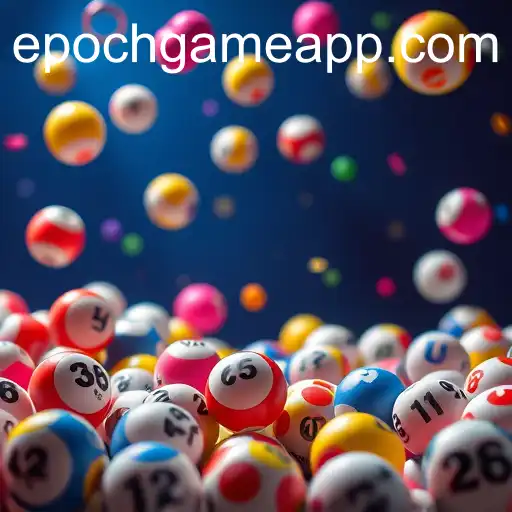
If you're looking for a reliable, fully licensed, and secure sportsbook with a wide selection of games, epoch game is the perfect choice. We're committed to providing you with the best online betting experience, with premium quality, excellent service, and continuous innovation. Sign up now and receive ₱777 for free!
Join now
Get the latest information, experience and betting strategies from the expert team at epoch game.
Explore the new era-defining game MadHitFullSteam with an in-depth description, introduction, and rules. Discover how this immersive platform captures the current zeitgeist and revolutionizes gaming.
Discover the immersive world of GoodFortune, an epoch game that combines innovative gameplay with current events to create an engaging experience.

Dive into the dynamic universe of FruitsAndJokers100, exploring its rules, gameplay, and the latest innovations that define this epoch game phenomenon.
Dive into the captivating world of Book of Gold, an epoch-defining game that combines ancient mysteries with modern gameplay.
Dive into the captivating world of THREELITTLEPIGS, a game that combines strategy, adventure, and current events.
Explore the enthralling world of TREASURECRUISE, the epoch game that combines strategic gameplay and immersive storytelling.
 Join now